Why A Soil Care Program
- Since plants can only be as healthy as the soil in which they grow, it logically follows that
understanding and caring for the soil should be the first step in any PHC program. - In addition to being more beautiful, healthy plants require less work (expense) to maintain.
- Customers (current & potential) want less chemicals used on their properties.
Soil Care Program Basics
Soil Test
- Must be a nutrient availability test.
- Should include specific recommendations.
- Recommendations should be adjusted for actual soil type.
- Target goals should be plant specific.
Correct pH
- The soil pH should be modified to suit the specific plants being grown.
- The appropriate soil pH will support the development of the biological community
essential for the specific plants being grown.
Correct Soil Compaction
- All living systems require oxygen. This includes root systems and biological systems.
- Proper exchange of air and water are critical.
Establish Biological Communities
- Once the soil profile is modified to support the plant and the corresponding biological communities, additional biology can be added to enhance or balance existing biology and/or replace missing biological systems.
Nourishment
- As the proper pH makes more nutrients available within the soil, supplemental
feeding can be reduced. - As the biological communities become more established and function more proficiently, more nutrients become available to the plants naturally.
- Supplemental feedings should be made with materials that have a neutral pH (as close to neutral as possible), should never contain muriate of potash, and should have low salt and chloride levels to minimize damage to the roots, soil, and biology.
- Supplemental feedings should be for the soil biology as well as the plants.
Pest Management
- Will be greatly reduced because the healthy soil and plants will resist many of the pest issues typically encountered.
- If control products must be used, select products with the least amount of harmful side effects both for the plant AND the soil . . . especially long term.
What Do Armillaria, Canker, and Chlorosis Have In Common?
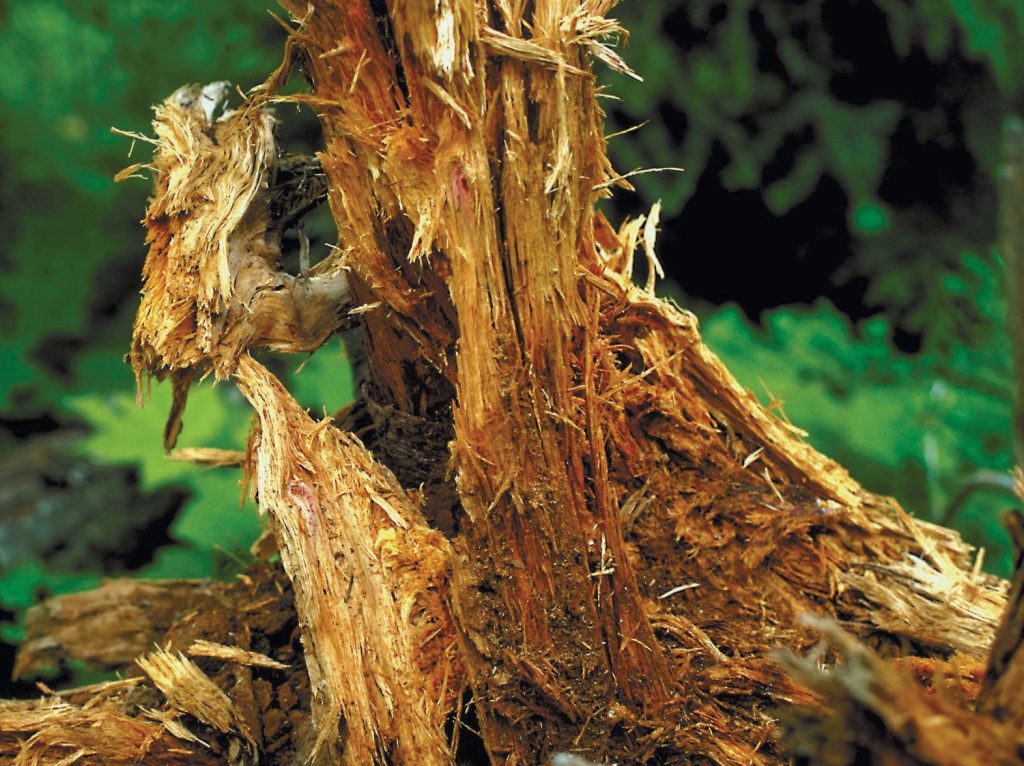
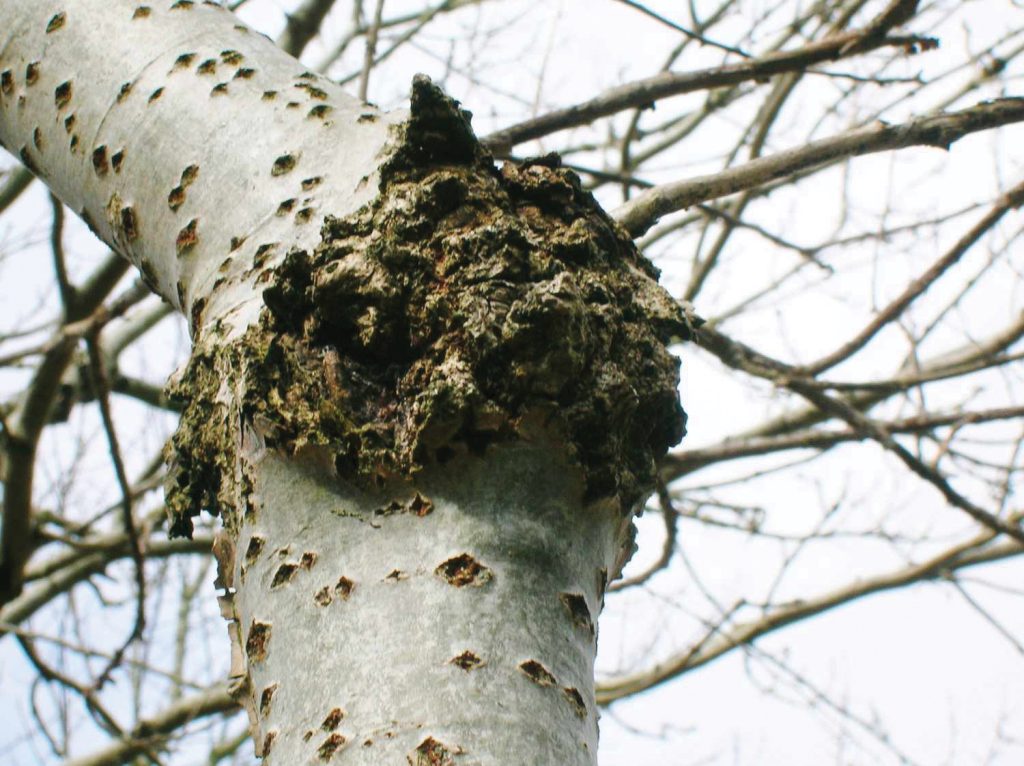
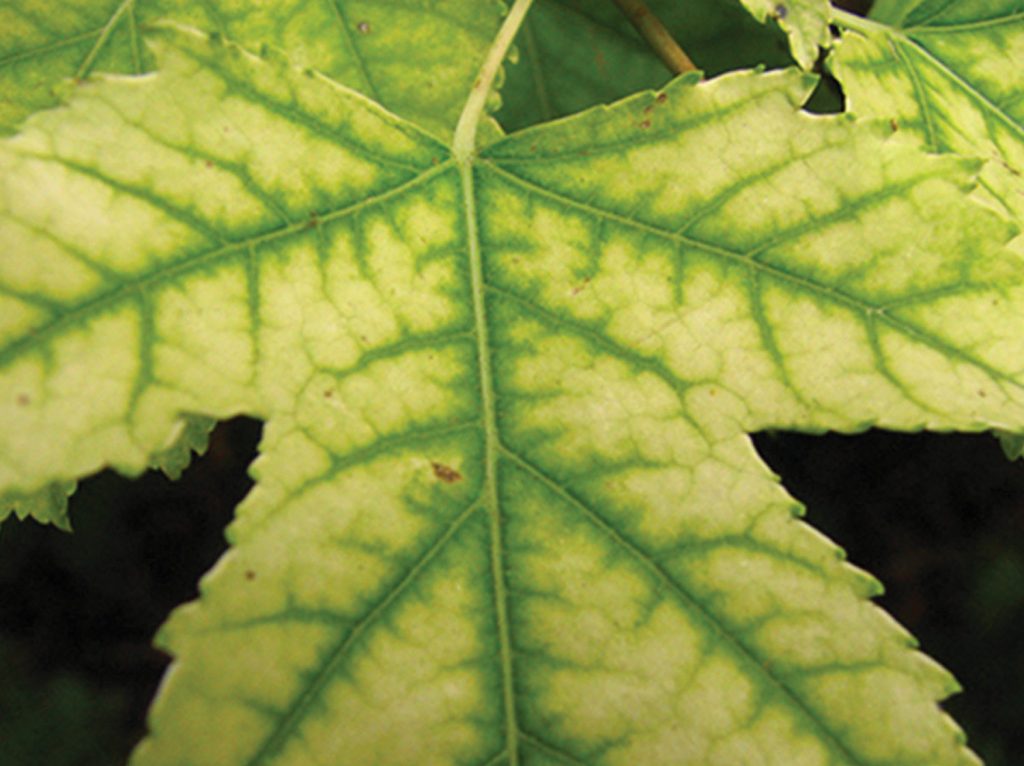
Every setting in nature has specific characteristics, like light exposure, as well as a unique soil profile. These factors will ultimately dictate what vegetation (trees, shrubs, ground covers, etc.) will grow and thrive within the setting naturally without relying on pesticide applications or even fertilizers for their continued existence.
Unfortunately, most of our manicured landscapes are the complete opposite of this scenario. Plants are selected for a variety of acceptable reasons such as size, color, time-of-bloom, textures, etc. but usually NOT for the soil in which they are planted. Which results in plants that are under constant stress, requiring higher maintenance costs, and/or a shorter life expectancy. Again, ‘Plants can only be as healthy as the soil in which they grow’—it’s that simple, and just common sense.
Bio-Tree & Shrub
Critical Component of A Comprehensive PHC Program
Robert Brettschneider creates comprehensive PHC management programs for his clients in the Atlanta area. His emphasis is natural sustainability and promoting plant health, rather than just managing disease. To that end, Robert brings his considerable expertise and a broad range of tools to create environments where trees and shrubs thrive, not just survive.
One of his favorite products, Nature’s Pro Bio-Tree & Shrub, is an organic-based balanced nutritional product that includes compaction-reducing soil conditioners, root growth stimulators and food resources to support critical biological activity within the soil. One to two years later, the results are obvious!
Cherry Trees
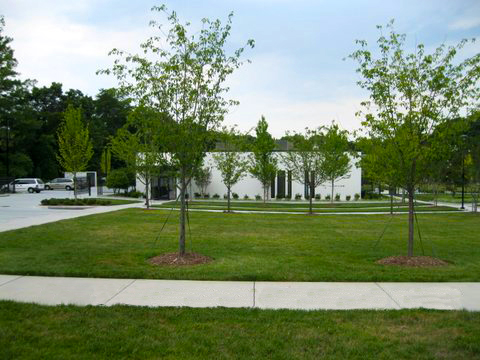
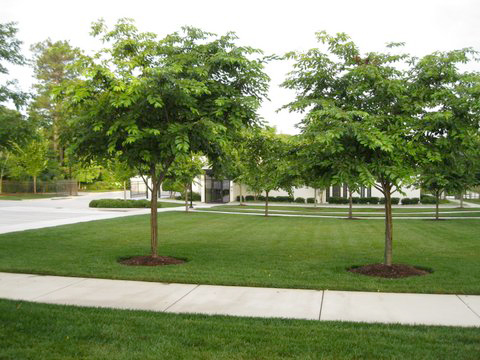
This property, the Atlanta Temple of the Latter-Day Saints, was completely replanted. Most plants were suffering from poor-quality, compacted soils, in addition to transplant shock. Many of the trees were severely affected by canker due to the unhealthy soil environment. The transformation was amazing in just 1-2 years!
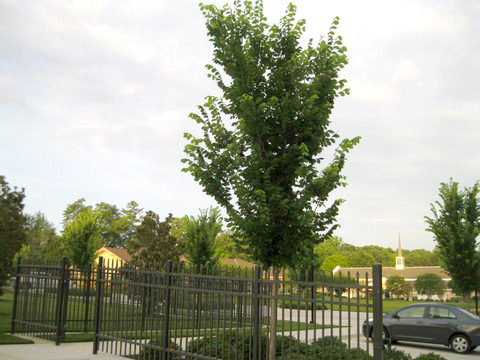
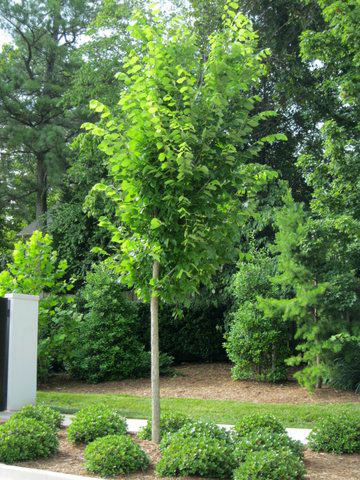
Elm Trees
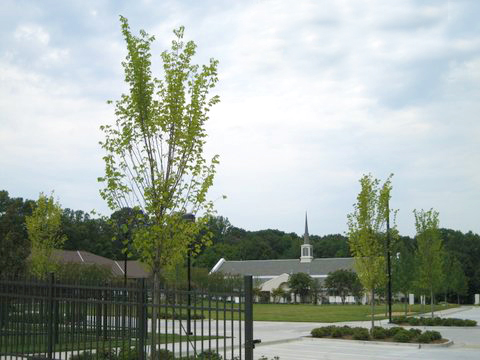
Before - Poor soil conditions, poor irrigation, poor pH
After - Chlorosis - Gone
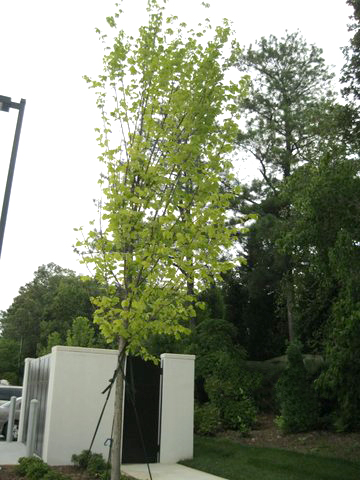
Before - Poor soil conditions, poor irrigation, poor pH
After - Chlorosis - Gone
Dogwood Trees
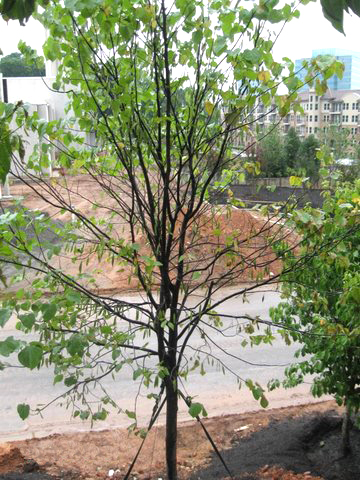
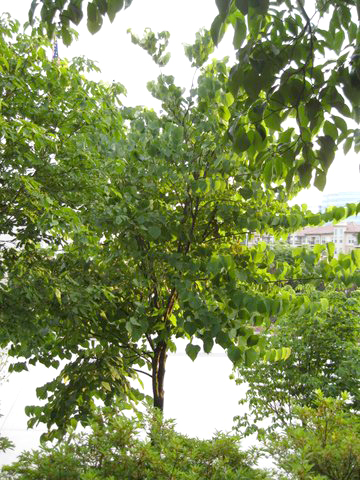
Robert has created a very healthy soil profile for these trees and shrubs. Trees are vigorous, healthy, and no signs of disease or insect problems. The proof is in their extremely quick response!
NOTE: All photos courtesy of Robert Brettschneider, an Arborist and PHC Specialist.